
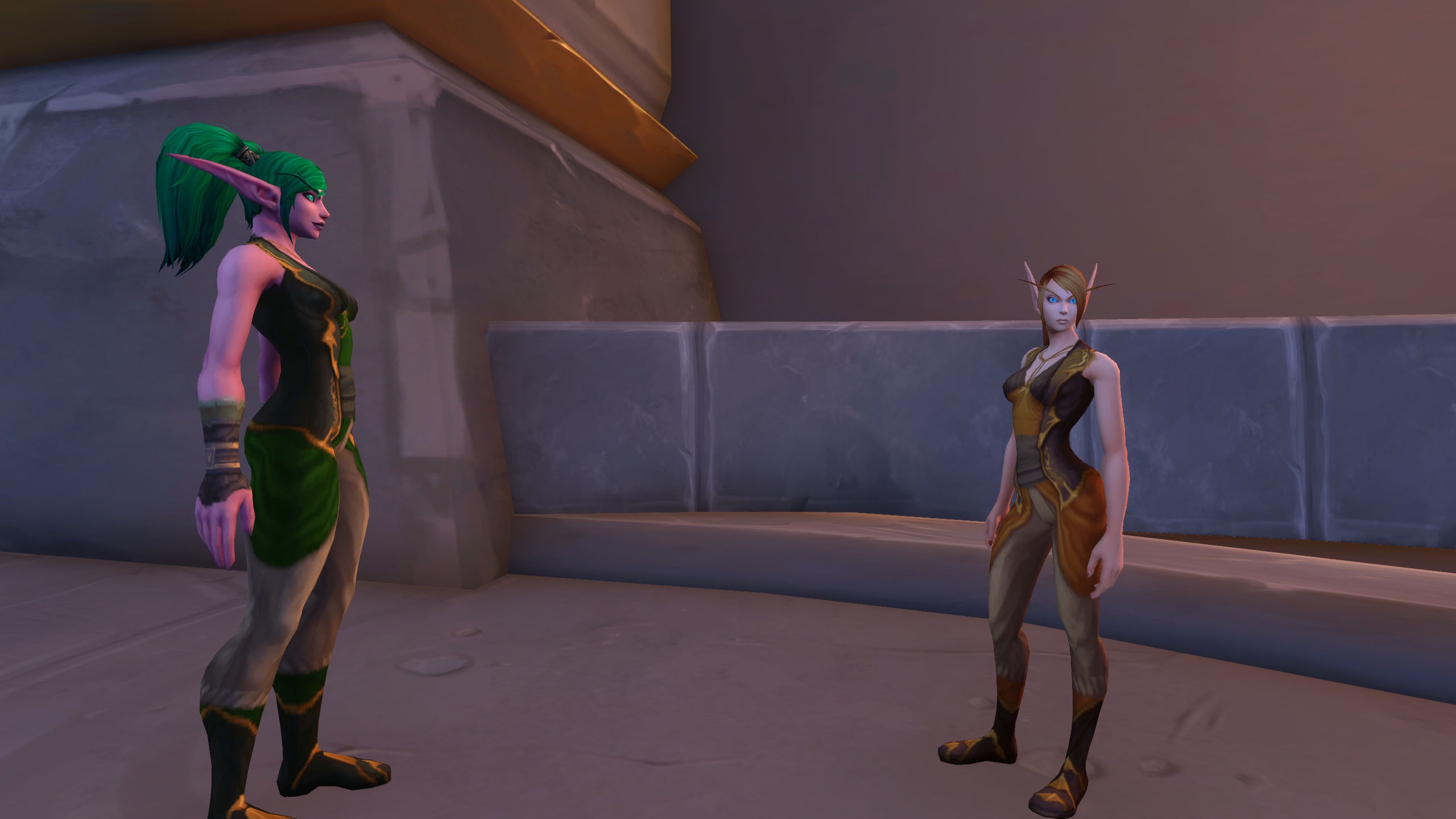
Introduction: The Heart of Social Interaction in WoW
Since its release, World of Warcraft (WoW) has been as much about the community as it has been about the game itself. Central to this social experience are guilds—groups of players who come together to achieve common goals, share in-game experiences, and form lasting friendships. Guild culture in WoW has evolved significantly over the years, becoming a vital part of the player experience. Today, guilds serve as the backbone of social interaction, offering a range of activities from casual exploration to high-end raiding and PvP competitions.
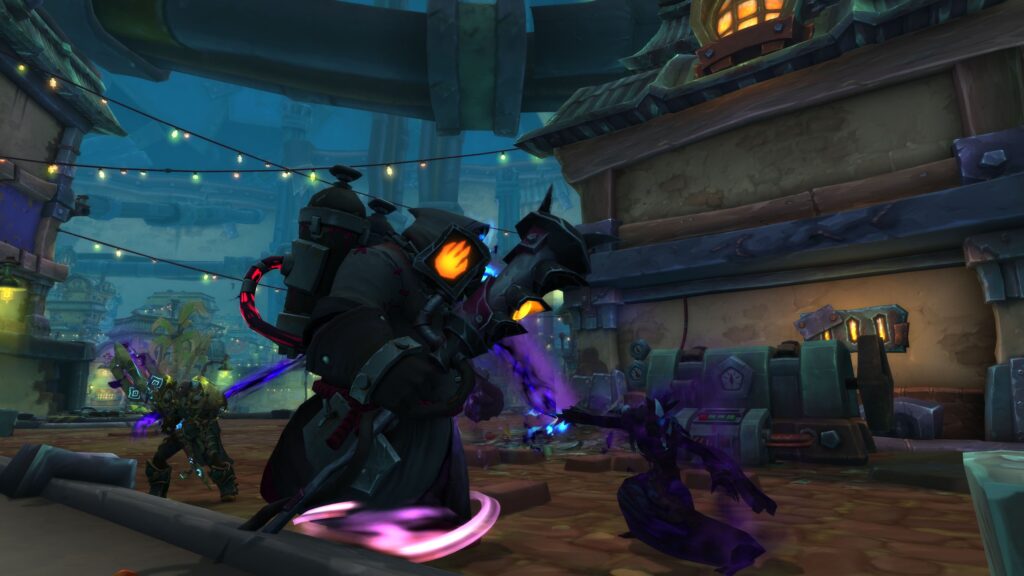
The Role of Guilds in WoW: More Than Just a Group
Guilds in WoW offer players a sense of belonging in a vast and often overwhelming world. Beyond simple group dynamics, guilds create an environment where players can share experiences, resources, and goals. Whether focused on end-game content, socializing, or casual play, guilds provide the framework for players to build meaningful connections with others. Guilds can also serve as a place for players to learn and grow together, offering support through training and mentorship.
Guild Types and Their Purposes
- Raiding Guilds – Focused on end-game content, these guilds typically organize raids, dungeons, and PvE challenges to defeat the toughest bosses in the game.
- Casual Guilds – These guilds are less focused on intense gameplay and more on providing a space for casual players to socialize and enjoy the game at their own pace.
- PvP Guilds – Dedicated to player-vs-player content, these guilds thrive on competitive play, offering support for players in battlegrounds, arenas, and world PvP encounters.
The Social Impact of Guilds: Building Lasting Communities
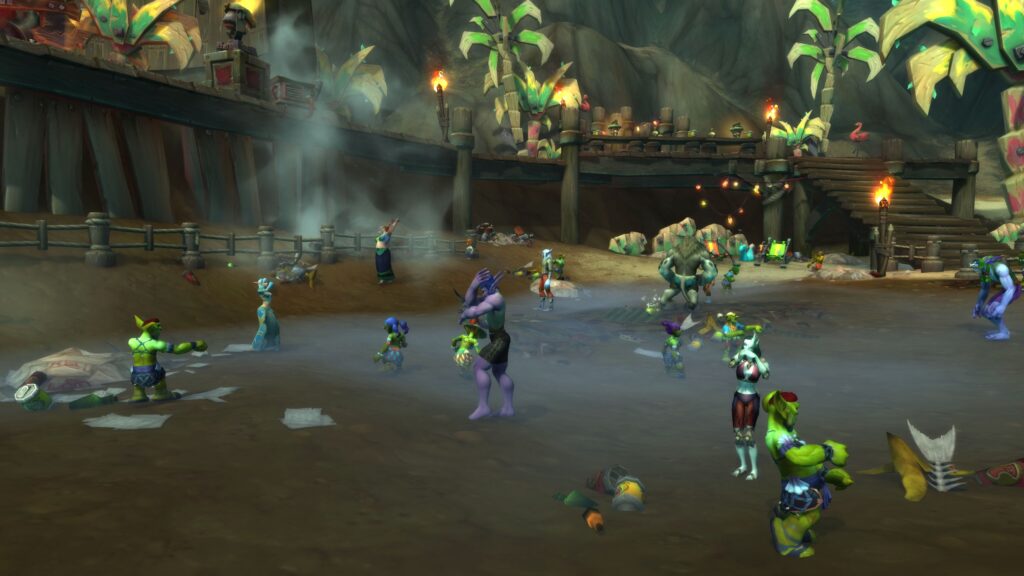
One of the most powerful aspects of guild culture is the sense of community it creates. Guilds are places where players build relationships that often extend beyond the game itself. Many players report forming lifelong friendships, meeting their guildmates outside of the game, and even attending in-person guild meetups. These bonds add a layer of depth to the WoW experience that makes the game feel more like a living, breathing world.
The Role of Communication and Leadership
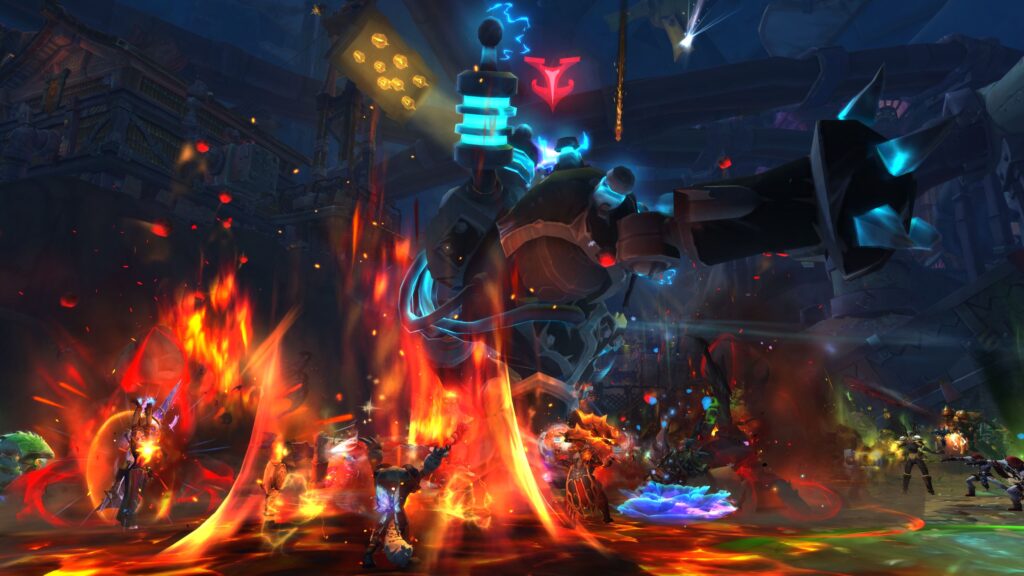
Guilds thrive on clear communication and strong leadership. Guild leaders and officers play an important role in guiding the guild’s direction, organizing events, and maintaining a positive atmosphere. Effective communication is crucial in fostering a sense of camaraderie and ensuring that guild members work together toward common goals. Modern guilds often utilize voice chat systems like Discord to coordinate raids and events, while also maintaining strong relationships through social channels.
Key Features of a Successful Guild
| Feature | Purpose | Benefits |
|---|---|---|
| Clear Leadership | Guides the direction of the guild | Ensures organization and effective management |
| Active Communication | Maintains interaction between guild members | Builds community and fosters team spirit |
| Regular Events | Organizes in-game activities for guild members | Increases engagement and strengthens social bonds |
Guild Politics and Drama: The Flip Side of Community
While guilds are often places of fun and camaraderie, they can also be arenas for politics and drama. Competition for leadership positions, disagreements over raid strategies, and differing playstyles can lead to tension within guilds. Handling this drama is part of the challenge for guild leaders and members, requiring patience, diplomacy, and a focus on maintaining the guild’s integrity and cohesion. Despite these challenges, many guilds manage to navigate these issues and grow stronger as a result.
The Future of Guilds in WoW: Evolution and Adaptation
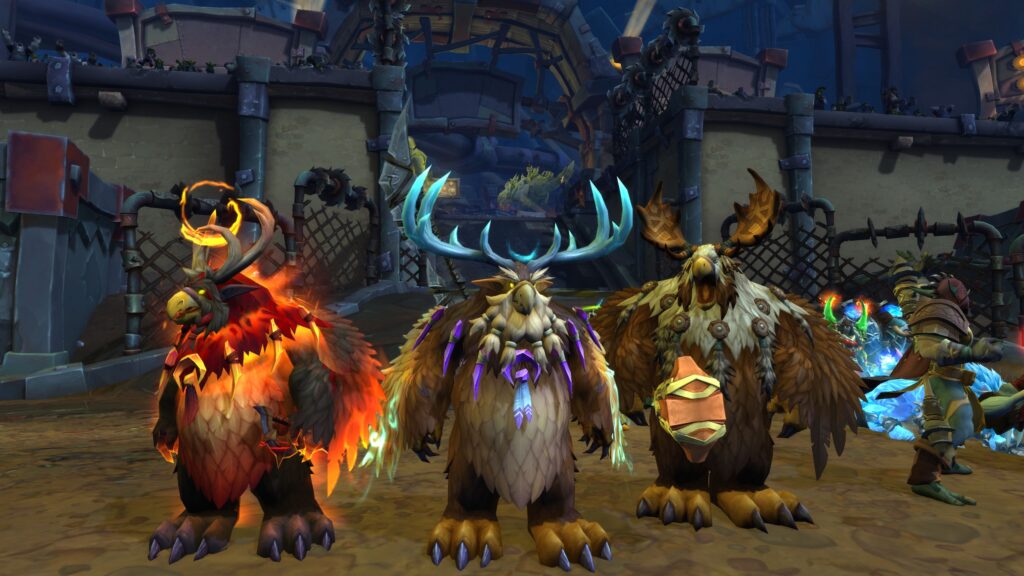
As WoW continues to evolve, so does the role of guilds. With updates like guild rewards, guild halls, and cross-faction play, guilds have become more integrated into the core gameplay experience. The rise of online communication platforms, such as Discord and Guilded, has also expanded guild culture beyond the boundaries of the game, providing spaces for guild members to socialize and organize events. The future of guilds in WoW will likely see further integration with the game’s social systems, allowing for even more robust community-building tools.
Conclusion: The Lifeblood of WoW’s Community
Guild culture is integral to World of Warcraft, offering a sense of belonging and community that is unmatched in the gaming world. Whether focused on high-end raiding, casual play, or PvP, guilds provide a space for players to come together, achieve goals, and form lasting relationships. As WoW continues to grow, guilds will remain at the heart of the game’s social fabric, shaping the experiences of millions of players around the world.
Home

Leave a Reply