
The Amani Trolls of Zul’Aman have been among the most enduring and bloodthirsty enemies of the elven civilization of Quel’Thalas throughout World of Warcraft’s history, with a conflict that stretches back millennia to the Troll Wars and has produced centuries of violent confrontation, territorial disputes, and mutual hatred between the Amani troll empire and the high elf (later blood elf) kingdom. In World of Warcraft: Midnight, the Amani Trolls face the same Void invasion threat that is devastating Quel’Thalas, and the expansion’s Zul’Aman zone storyline explores whether the ancient enemies can set aside their oceans of blood to form an alliance against the common Void threat that endangers both civilizations. This lore exploration examines the Amani Trolls’ history with Silvermoon, their role in the Midnight expansion’s narrative, the new Loa that players encounter in the revamped Zul’Aman zone, and the surprising diplomatic developments that suggest the Amani and the Blood Elves may be taking their first tentative steps toward an alliance that seemed unthinkable just months ago.
Millennia of Conflict: The Amani-Elven War History
To understand the significance of any potential Amani-Silvermoon alliance in Midnight, players must first appreciate the depth and duration of the conflict between these two civilizations. The Amani Troll Empire predates the arrival of the high elves in Quel’Thalas by thousands of years, and the Amani ruled the forested lands of northern Lordaeron and the region that would become Quel’Thalas as their ancestral territory long before the Highborne exiles landed on the shore and began building their new kingdom.
When the high elves arrived in Quel’Thalas and began establishing their settlements, the Amani Trolls viewed them as invaders and responded with military force, launching the Troll Wars — a massive conflict that pitted the Amani Empire’s enormous troll armies against the high elf kingdom’s magically empowered defenders. The high elves, recognizing that they could not defeat the Amani alone, traveled to the human continent of Lordaeron and forged an alliance with the Arathi Empire, the most powerful human civilization of the era. The combined high elf and Arathi forces decisively defeated the Amani Trolls, shattering the Amani Empire and reducing the trolls to a fraction of their former power.
The Amani Trolls never forgave the high elves for this defeat, and the thousands of years that followed the Troll Wars were marked by continuous low-intensity conflict between the Amani and the elves along the borders of Quel’Thalas. The Amani launched periodic raids and assaults on elven territory, and the elves responded with punitive expeditions into Amani lands that kept the trolls contained but never eliminated the threat entirely. The blood elf era after the Scourge invasion saw a resurgence of Amani aggression under the leadership of Zul’jin, the legendary Amani warlord who allied with the Horde during the Second War and later launched a guerrilla campaign against the blood elves from his stronghold in Zul’Aman, before ultimately being defeated by adventurers in the original Burning Crusade’s Zul’Aman dungeon.
- Troll Wars: The original conflict between the Amani Empire and the high elf kingdom, ended by the high elf-Arathi alliance that shattered the Amani military power
- Millennia of Border Conflict: Continuous low-intensity warfare between the Amani and the elves along Quel’Thalas’s borders
- Zul’jin’s Era: The legendary Amani warlord who allied with the Horde and later waged guerrilla war against the blood elves from Zul’Aman
- Post-Zul’jin Fragmentation: After Zul’jin’s defeat, the Amani Trolls fragmented into competing factions with no single leader capable of uniting the entire Amani people
- Midnight’s Void Threat: The Void invasion threatens both the Amani and the elves, creating the first existential crisis that affects both civilizations equally and forces them to consider cooperation
Zul’Aman in Midnight: The Revamped Zone and Its Storyline
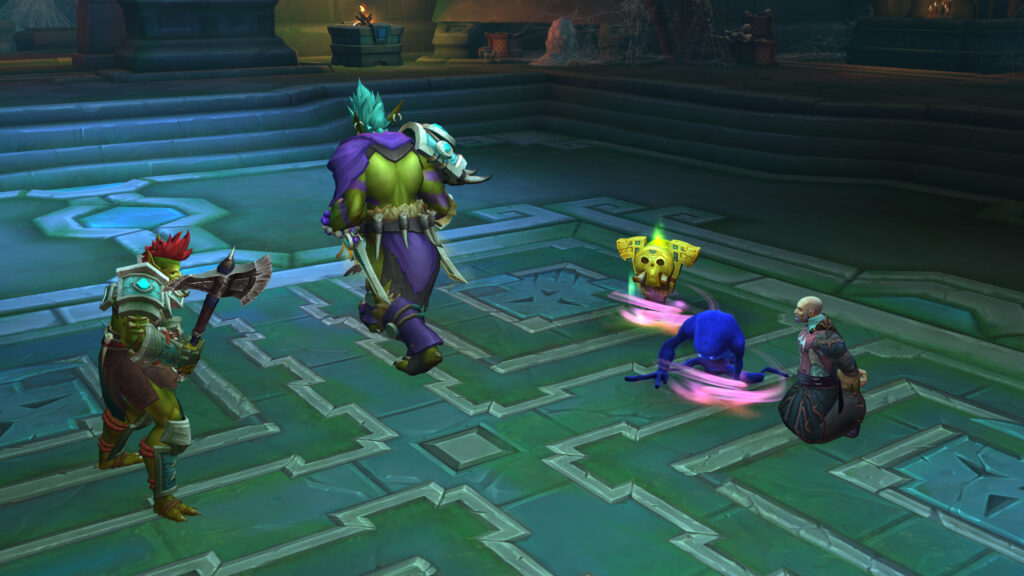
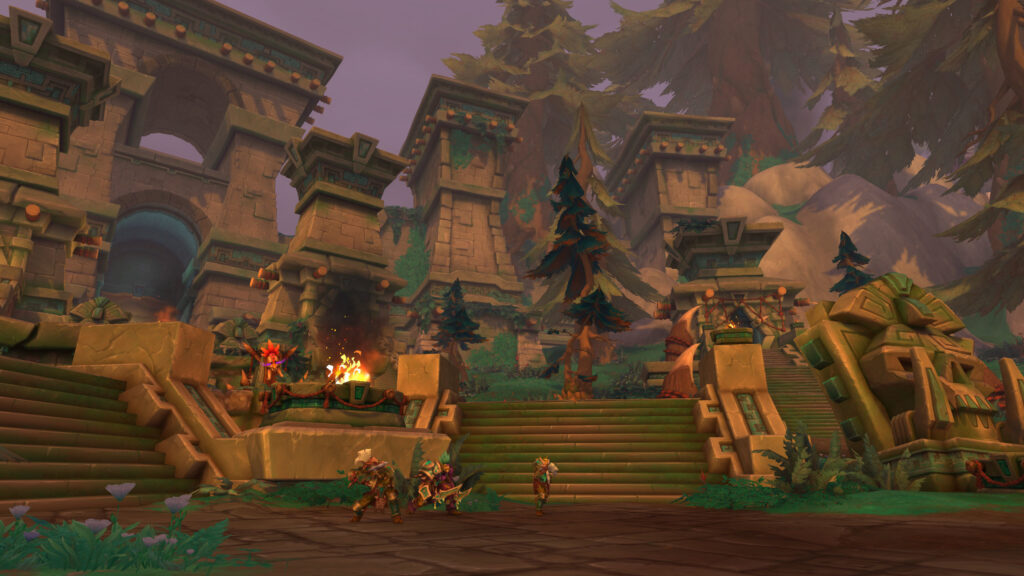
The Zul’Aman zone in World of Warcraft: Midnight has been completely revamped from its Burning Crusade-era incarnation, expanding the jungle territory of the Amani Trolls into a full leveling zone with its own questlines, lore revelations, and narrative arc that explores the Amani people’s response to the Void invasion threat. The revamped Zul’Aman features new Loa encounters, the Tablet of the Ruling Family (which provides detailed historical information about the Amani Empire that was previously unknown to players), and a questline that follows the Amani Trolls’ internal struggle between the faction that advocates for continued war with the elves and the faction that recognizes the Void invasion as a greater threat that requires an alliance with Silvermoon.
The central narrative conflict in Midnight’s Zul’Aman zone is embodied by Zul’jarra, the leader of the Amani Trolls’ Void-resistant faction, who recognizes that the Void invasion poses an existential threat to the Amani people and that cooperation with the blood elves is the only viable strategy for defending Zul’Aman from Void corruption. Zul’jarra is opposed by the Void-corrupted Amani faction, led by Amani warlords who have been influenced by the Void’s corrupting power and who advocate for attacking both the Void invaders and the blood elves simultaneously, believing that the chaos of the Void invasion presents an opportunity for the Amani to reclaim the territories they lost to the elves during the Troll Wars.
Players who progress through the Zul’Aman questline assist Zul’jarra in defeating the Void-corrupted Amani warlords, reuniting the Amani Loa with their troll worshippers (the Loa had withdrawn from the Amani people during the Void invasion’s early stages, leaving the trolls without their gods’ protection), and establishing a tentative communication channel between Zul’jarra’s Amani faction and the Silvermoon Court representatives who are deployed to Zul’Aman to assess the trolls’ intentions and report back to Lady Liadrin on the potential for an Amani-Elven alliance.
The New Loa of Zul’Aman and Their Role in the Alliance
The revamped Zul’Aman zone in Midnight introduces new Loa entities that were not present in the original Burning Crusade dungeon, including Void-touched Loa that have been corrupted by the Void invasion and must be cleansed by players before they can resume their role as protectors of the Amani people. These new Loa encounters are among the most narratively significant content in the Zul’Aman zone, because the Loa’s withdrawal from and return to the Amani people serves as a metaphor for the Amani civilization’s broader crisis of faith and identity during the Void invasion.
The Loa of Zul’Aman in Midnight include:
- Akil’zon, the Eagle Loa (Revamped): The iconic eagle Loa from the original Zul’Aman dungeon returns in a revamped encounter that explores Akil’zon’s role as the Amani people’s sky guardian and his struggle against the Void corruption that threatens to corrupt the skies above Zul’Aman. Akil’zon is the first Loa that players help cleanse, and his restoration serves as the catalyst for the broader Loa reunification questline.
- Jan’alai, the Fire Loa (Revamped): The fire Loa returns with a revamped encounter that explores the destructive and creative aspects of fire in Amani cosmology, and his cleansing from Void corruption represents the Amani people’s ability to harness fire’s destructive power against the Void invaders rather than allowing the Void to corrupt fire’s creative energy.
- Nalorakk, the Bear Loa (Revamped): The bear Loa’s revamped encounter explores the Amani people’s connection to the jungle wildlife and Nalorakk’s role as the protector of Zul’Aman’s animal inhabitants. Nalorakk’s cleansing is particularly significant because it restores the Amani Trolls’ ability to communicate with and command the jungle beasts, a capability that is essential for defending Zul’Aman’s borders against Void incursions.
- The New Void Loa: Midnight introduces entirely new Loa entities that are manifestations of the Void energy that has infected Zul’Aman, and these Void Loa must be defeated (rather than cleansed) because they are not corrupted traditional Loa but rather entirely new entities born from the Void corruption itself. The Void Loa encounters are the most challenging boss fights in the Zul’Aman zone and serve as the climax of the zone’s questline.
The Loa reunification questline culminates in a ceremonial gathering at Zul’Aman’s central temple where all of the cleansed Loa appear before the Amani people and bless their defenders with renewed divine power, strengthening the Amani Trolls’ ability to resist the Void invasion and providing the spiritual foundation for Zul’jarra’s political argument that the Amani people should ally with the blood elves rather than continuing their ancient conflict. The Loa’s blessing is a powerful symbolic endorsement of the alliance faction within Amani society, because the Loa are the most sacred and authoritative figures in Amani culture, and their implicit support for cooperation with the elves carries enormous weight with the Amani people who are undecided about the alliance question.
Has an Alliance Been Formed? The Current State of Amani-Silvermoon Relations
At the conclusion of the Zul’Aman questline in Midnight, a formal military alliance between the Amani Trolls and Silvermoon has not yet been established, but the foundation for such an alliance has been laid through the communication channel that Zul’jarra has opened with the Silvermoon Court representatives and the mutual cooperation that has occurred during the Void defense of Zul’Aman’s borders. The questline’s concluding cinematic shows Zul’jarra and the Silvermoon Court representative shaking hands (or the elven equivalent) in a gesture of mutual respect and shared purpose, and Lady Liadrin’s response to the Silvermoon Court’s report is cautiously optimistic about the possibility of an Amani-Elven alliance in the future.
The Midnight expansion does not resolve the Amani-Silvermoon alliance question definitively, leaving it as an ongoing storyline that will likely be developed further in subsequent content patches or the Last Titan expansion that will conclude the Worldsoul Saga. The narrative groundwork has been established: the Amani Trolls under Zul’jarra’s leadership are open to alliance negotiations, the Blood Elves under Lady Liadrin’s guidance are willing to consider the Amani as potential partners rather than eternal enemies, and the Loa of Zul’Aman have implicitly endorsed the alliance through their blessing of Zul’jarra’s faction and their participation in the joint defense of Zul’Aman against the Void invasion.
What remains to be resolved is the broader Amani people’s acceptance of the alliance, because Zul’jarra’s faction represents only a portion of the Amani Trolls and the more isolationist and hostile Amani factions still harbor deep resentment toward the elves for the Troll Wars defeat and the millennia of border conflict that followed. The Tablet of the Ruling Family, which players discover during the Zul’Aman questline, provides historical context for the Amani people’s perspective on the Troll Wars and the elven invasion of their ancestral lands, and it makes clear that any lasting Amani-Elven alliance will require the elves to acknowledge the historical wrongs that were done to the Amani people and to offer meaningful concessions that address the Amani Trolls’ territorial and cultural grievances.
Whether the Amani Trolls and Silvermoon ultimately form a lasting alliance remains to be seen in the future chapters of the Worldsoul Saga, but Midnight’s Zul’Aman zone has taken the crucial first step of opening a dialogue between ancient enemies who now face a common existential threat. For players who have fought the Amani Trolls in Zul’Aman since The Burning Crusade, the possibility of seeing these ancient enemies stand together against the Void invasion is one of the most narratively compelling developments in World of Warcraft: Midnight, and it honors the rich history of both civilizations while pointing toward a future that neither the Amani nor the elves could have imagined when their conflict began thousands of years ago.

Leave a Reply